Skull base surgery
Surgical anatomy, focused approaches, and cerebrospinal fluid leak repair-examining how precise access can support complex skull base care.
 jellyfishNEUROINNOVATIONS
NEUROSURGEON-LED INNOVATION
Advancing research and innovation across skull base surgery, intracranial pressure, stroke, and cerebrovascular neurosciences.
Complex neurosurgical problems deserve carefully designed solutions.
Jellyfish Neuroinnovations brings together the clinical and research perspectives of Dr. Mithun Sattur and Dr. Siddharth Srinivasan. Our founders’ work spans skull base surgery, intracranial pressure, stroke, and cerebrovascular disease.
We connect clinical questions with anatomical research, physiology, and device development. Our current development focus is an endovascular approaches with the goal of expanding options for selected patients with severe intracranial hypertension.
After an aneurysm ruptures, a traumatic injury, or bleeding within the brain, rising intracranial pressure can threaten brain function. When other measures are insufficient, treatment may require removing part of the skull to create space.
Our ambition is to develop an additional, minimally invasive way to relieve that pressure.
Four areas of work inform our research, collaborations, and approach to innovation.
Surgical anatomy, focused approaches, and cerebrospinal fluid leak repair-examining how precise access can support complex skull base care.
CSF dynamics, cerebral edema, and venous physiology, alongside preclinical development of a minimally invasive route to pressure relief.
Endovascular techniques and clinical research in ischemic and hemorrhagic cerebrovascular disease, including mechanical thrombectomy and aneurysm-related brain injury.
Venous sinus stenosis, intracranial hypertension, and the relationship between venous outflow, CSF spaces, and skull base changes.
An endovascular route to pressure relief.
Investigating the physiological response with pressure monitoring is central to the research.
Building from preclinical observations toward device refinement and further safety evaluation.
Our ICP development program combines experimental physiology and device engineering. The founders’ wider academic work spans all four research areas.
Preliminary ovine research is evaluating intracranial pressure responses through minimally invasive endovascular approaches.
Experimental foundationA dedicated device to translate the access strategy into a purpose-built endovascular system.
Current focusFurther preclinical testing, device refinement, and regulatory planning are required before potential human evaluation.
Future developmentFirst-author publications by Dr. Mithun Sattur and Dr. Siddharth Srinivasan across aneurysm, skull base, cerebrovascular, and CSF-related research.
Skull base anatomy, intracranial pressure, stroke intervention, and venous disease. Each entry links to its publication record.
A retrospective imaging study examining changes in skull base bone volume after venous sinus stenting.
DOI: 10.1136/jnis-2026-025367A cadaveric study examining how craniotomy position affects access to middle cranial fossa landmarks for CSF leak repair.
DOI: 10.1055/a-2805-6554A mechanistic hypothesis exploring autonomic dysfunction and brain edema after aneurysmal subarachnoid hemorrhage.
DOI: 10.1007/s12028-026-02684-zA retrospective cohort study of lamina terminalis and membrane of Liliequist fenestration with basal cisternostomy.
DOI: 10.4103/neurol-india.Neurol-India-D-26-00208A meta-analysis examining the frequency and vascular features of spontaneous brain AVM obliteration, with attention to imaging and follow-up limitations.
DOI: 10.1007/s10143-026-04429-0An operative demonstration of spinal dural fistula disconnection using indocyanine green videoangiography and intraoperative neuromonitoring.
DOI: 10.4103/neurol-india.Neurol-India-D-26-00373A systematic review and illustrative case examining direct ophthalmic venous access when conventional routes for fistula embolization are unsuitable.
DOI: 10.1007/s00234-026-04151-0An anatomical proof-of-concept study exploring an endoscopic route to the hypoglossal canal without occipital condyle drilling.
DOI: 10.1055/a-2926-8940A case report examining cardiac dysfunction and its management after rupture and clipping of an internal carotid artery aneurysm.
DOI: 10.1055/s-0045-1809056A case report examining destructive skull base disease complicated by meningitis, hydrocephalus, and the need for CSF diversion.
DOI: 10.1055/s-0045-1808235A pediatric case report describing delayed shunt migration into the pleural cavity, CSF hydrothorax, and surgical revision.
DOI: 10.1055/s-0044-1787675Review and hypothesis examining head position, cerebral venous drainage, and intracranial pressure.
DOI: 10.1161/SVIN.122.000522A comparative angiographic study of collateral cranial venous drainage in patients with and without idiopathic intracranial hypertension.
DOI: 10.1227/ons.0000000000000413A technical series describing a dual-purpose aspiration catheter for transradial thrombectomy in posterior circulation stroke.
DOI: 10.1227/ons.0000000000000295A registry analysis examining clinical and angiographic outcomes after coil embolization of wide-necked ruptured aneurysms.
DOI: 10.1161/SVIN.122.000373A preclinical pilot study investigating sagittal sinus blood aspiration as a potential means of reducing intracranial pressure.
DOI: 10.1161/SVIN.122.000516A technical report describing venous bypass for refractory intracranial hypertension and the associated anticoagulation challenges.
DOI: 10.1007/s00701-021-04866-4An operative video illustrating device-assisted coiling of basilar bifurcation aneurysms.
DOI: 10.1093/ons/opab102An illustrative case describing assessment and endovascular parent artery occlusion for a giant cavernous carotid aneurysm.
DOI: 10.7759/cureus.13643A commentary examining mechanical thrombectomy in posterior circulation stroke.
DOI: 10.1016/j.wneu.2021.01.106A case-based review of the diagnostic challenges and treatment approaches for basilar artery perforator aneurysms.
DOI: 10.4103/0028-3886.304111An illustrated technical guide to transradial diagnostic and interventional neuroangiography, informed by a single-center clinical series.
DOI: 10.1093/ons/opaa153An anatomical study and early clinical series describing a minimally invasive lateral route to the pterional region.
DOI: 10.1055/s-0038-1677470A commentary on the MISTIE III trial of minimally invasive evacuation and thrombolysis for intracerebral hemorrhage.
DOI: 10.1093/neuros/nyz551A case report and review of a rare meningeal arterial variant with implications for endovascular embolization planning.
DOI: 10.1016/j.wneu.2019.09.130A retrospective cohort study of coiling and flow diversion for pericallosal artery aneurysms.
DOI: 10.1016/j.wneu.2019.05.181An operative video demonstrating microsurgical disconnection of a foramen magnum dural fistula associated with venous myelopathy.
DOI: 10.1093/ons/opz030An operative video discussing diagnostic and treatment planning for coexisting brain arteriovenous malformation and cranial dural fistula.
DOI: 10.1093/ons/opy208A technical note and review examining balloon occlusion testing before treatment of an intraorbital ophthalmic artery aneurysm.
DOI: 10.1093/ons/opy087A perspective on imaging-based patient selection and the treatment window for ischemic stroke thrombectomy following the DAWN trial.
DOI: 10.1016/j.wneu.2017.12.100A commentary on longer-term outcomes after endovascular treatment of acute ischemic stroke.
DOI: 10.1093/neuros/nyx404A commentary exploring associations between aortic abnormalities and intracranial aneurysms.
DOI: 10.1016/j.wneu.2015.08.003No publications match your search. Try another term or choose All publications.
Two neurosurgeons bringing complementary experience across skull base, cerebrovascular, and translational research.
 CO-FOUNDER
M.D. · ABNS Board Certified ; F.E.B.N.S (Fellow of European Board of Neurosurgeons); M .Ch (Magister Chirurgiae)
Cerebrovascular & Endovascular Neurosurgeon
Assistant Professor of Neurosurgery at the University of Nebraska Medical Center. His clinical and research interests include endovascular neurosurgery, skull base surgery, cerebrovascular, and device innovation.
View academic profile (opens in a new tab)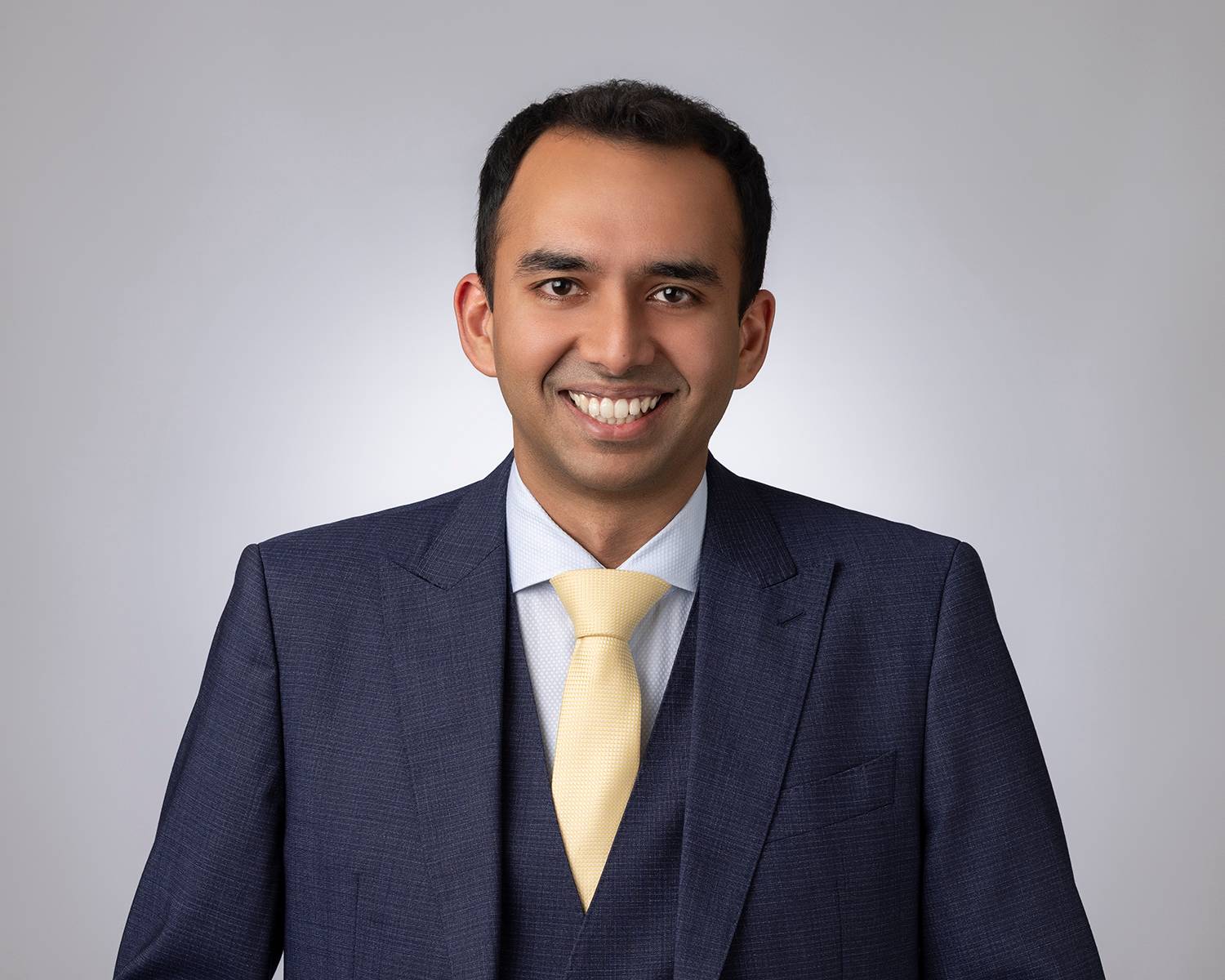 CO-FOUNDER
MD · MS · MCh · MRCS
Skull base & Cerebrovascular Neurosurgeon
Clinical Research in Skull Base and Endovascular Neurosurgery at the University of Nebraska Medical Centre, with prior cerebrovascular fellowship experience. His research spans traumatic brain injury, intracerebral hemorrhage, skull base approaches, intracranial pressure dysregulation, stroke, cerebral venous disease, and translational device development.
Explore collaborative research (opens in a new tab)Academic affiliations identify the founders’ professional appointments. Jellyfish Neuroinnovations LLC is a separate company; no institutional endorsement is implied.
We welcome investors, device development partners, and research collaborators interested in skull base surgery, intracranial pressure, stroke, and cerebrovascular disease.